Wardogs in the rain versus clear weather
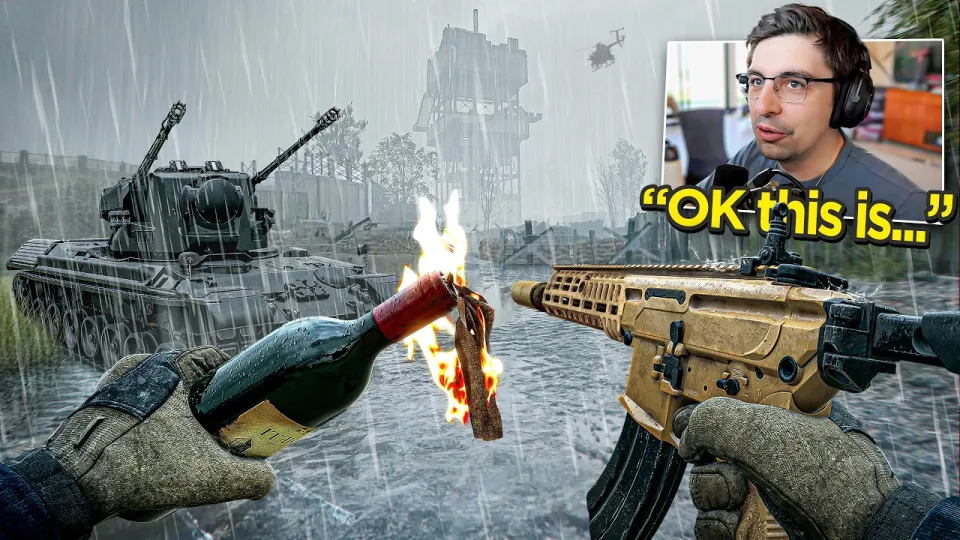
Video: Wardogs Is a Completely Different Game Now...
Want articles like this for your own video to promote it on YouTube and Google? Order them through the Telegram bot @sat_sit_bot. It writes articles around your video, embeds the video and publishes them on popular niche websites (no ads). Free trial — 50 articles.
· based on the channel shroud
Key takeaways
- Wardogs Season 2 introduces heavy rain as a dynamic weather condition that limits visibility to roughly 190 meters in some spots.
- Rain hits both sides equally, but coordinated squads in one voice chat gain a bigger edge than the weather itself.
- High-penetration ammo and leg shots matter more in the rain, since armored torsos are harder to finish at range.
- Infrared and thermal optics become significantly stronger during storms because they cut through the reduced contrast.
- Sniping is the playstyle most affected: long-range holds and bridge-style overwatch spots lose much of their value.
Wardogs with rain is the better version of the game for most players, because the storm compresses fights into shorter ranges, punishes lazy long-range holding and rewards players who bring the right ammo and optics. Clear weather still suits dedicated snipers and players who prefer slow, open-map rotations. The Season 2 weather update, showcased by shroud in his breakdown of the new conditions, is less a cosmetic change and more a rework of how engagements start and end. You can follow the full stream companion audio and bonus episodes through the shroud Spotify show.
What the Wardogs rain actually changes in a match
The rain is a visibility and audio modifier first and a visual effect second. In practical terms it does five things at once:
- Sightlines shrink. Players report that even around 190 meters targets become hard to identify, which turns open ground into a gamble.
- Contrast drops. Silhouettes blur against terrain, so spotting a prone or crouched enemy at distance takes longer.
- Sound cues shift. Rain masks footsteps and distant gunfire, making audio-dependent players rely more on visual confirmation and callouts.
- Long-range weapons lose value. Bolt-action and DMR holds over bridges and ridges become far less reliable.
- Close-quarters builds gain value. SMGs, shotguns and fast-handling rifles suddenly compete in spaces where they used to be outranged.
That is why the map feels different rather than just darker. A compound that was a safe overwatch point in clear weather becomes a blind spot in a storm, and a route that was suicide in the open becomes viable because nobody can see you cross it.
Why rain feels like a completely different Wardogs
The core reason rain feels like a new game is that it changes the value of information, not the value of damage. In clear weather, the team that spots first usually wins the trade, because a target at 250 meters can be engaged immediately. In rain, spotting first often means nothing, since the shot is unreliable and the muzzle flash gives away your position to everyone within earshot.
That flips several habits:
- Holding an angle passively is weaker. If you cannot see far, someone will walk into your building before you notice.
- Repositioning is stronger. Rotating through weather cover is safer because you are harder to track.
- Ammo choice matters more. High-penetration rounds that punish legs and unarmored zones become the difference between a two-tap and an empty magazine.
- Squad discipline matters more. Six players in one voice channel calling contacts will always beat twenty scattered players who are not coordinating, rain or shine.
A common frustration in the new weather is exactly this: players buy penetration ammo, get told to aim low, and still dump rounds into a torso. The gun is not bad. The shot placement is.
Loadout adjustments that work in a storm
Rain rewards a specific kind of kit, and the adjustment is mostly about range brackets. Anything designed for 200 meters and beyond loses efficiency, while anything that kills inside 50 meters gains it.
- Ammo: carry high-penetration rounds for the weapons you expect to use indoors, and treat leg shots as the default answer to armor.
- Optics: infrared and thermal sights get disproportionately better in rain because they cut through the low-contrast haze. If you own them, this is the weather to run them.
- Weapon class: SMGs with fast reloads and compact rifles outperform long barrels, simply because you will rarely get a clean long shot.
- Utility: smoke loses some of its value when visibility is already poor; frags and flash tools that force close fights gain it.
- Armor: lighter kits that let you rotate faster often beat heavy plates, since the fight is decided by who hears or sees whom first.
One more practical note: repacking magazines mid-rotation is fine, but not while you are dropping into a building where someone just shot at you. The rain hides the enemy as much as it hides you.
Typical questions from the Wardogs community
Three doubts come up again and again after the weather update, and they are worth answering directly.
Is the rain unfair? No, it applies to everyone on the server. The asymmetry people feel comes from coordination, not weather. A stacked squad on comms will always look like it has better visibility, because it effectively does: six sets of eyes beat one.
Does rain kill sniping? It heavily nerfs it, but it does not remove it. Snipers now need to reposition constantly, use shorter windows and rely on thermal or infrared optics. Players who insist on holding a 300-meter bridge line in a storm will keep dying to someone who walked up behind them.
Why does my gun feel terrible in the rain? Usually because the engagement distance changed and the ammo did not. A weapon that shreds unarmored targets at 30 meters will feel broken when you fire it at armored torsos across a wet field. Switch ammo, close distance, or switch guns.
How to adapt your squad to storm matches
The single highest-value change a squad can make is to treat rain as a rotation tool rather than a visibility penalty. Concretely:
- Assign one player as the audio listener who stays still during pushes and filters rain noise for footsteps.
- Push through weather cover in pairs, with the second player watching the flanks that the rain hides.
- Abandon fixed overwatch positions after one or two kills; in a storm, muzzle flash is the loudest thing on the map.
- Keep callouts short and positional, since distant visual confirmation is unreliable.
- Carry at least one infrared or thermal option in the squad for spotting across open ground.
Teams that do this stop treating the storm as a handicap and start using it to cross ground that would be suicide in clear weather. That is the real skill gap the update introduced.
Links from the video
Verdict on Wardogs Season 2 weather
Rain is the better setting for players who like aggressive, close-range, information-driven fights, while clear weather remains better for snipers and slow map control. The update does not add a new mode so much as a new ruleset layered over the same map, and that is why it feels like a completely different game rather than a patch note. shroud's breakdown captures the adjustment period well: the same players, the same guns, entirely different decisions. If you want more of that commentary in audio form, the shroud Spotify show is the place to start.
Source: Wardogs Is a Completely Different Game Now... · Markdown version
Questions & answers
Does rain in Wardogs affect both teams equally?
Yes. The weather is a server-wide condition, so visibility, audio masking and contrast loss apply to every player in the match. What differs is how well each squad compensates, which is why coordinated groups on voice chat appear to see more than scattered players.
Is sniping still viable in rainy Wardogs matches?
It is viable but much harder. Targets become difficult to identify even around 190 meters, so long holds over bridges and ridges rarely pay off. Snipers should reposition after every shot and lean on infrared or thermal optics to regain contrast.
Which ammo should I use during a storm?
High-penetration rounds aimed at legs and unarmored zones are the most reliable answer to armored opponents at close range. Firing standard rounds into a torso at distance in low visibility usually ends with an empty magazine and a lost fight.
Do infrared and thermal optics get stronger in the rain?
Yes. Because rain reduces contrast and blurs silhouettes, thermal and infrared sights cut through conditions that normal optics struggle with. Players who own them should treat storm matches as the situation where those optics earn their inventory slot.